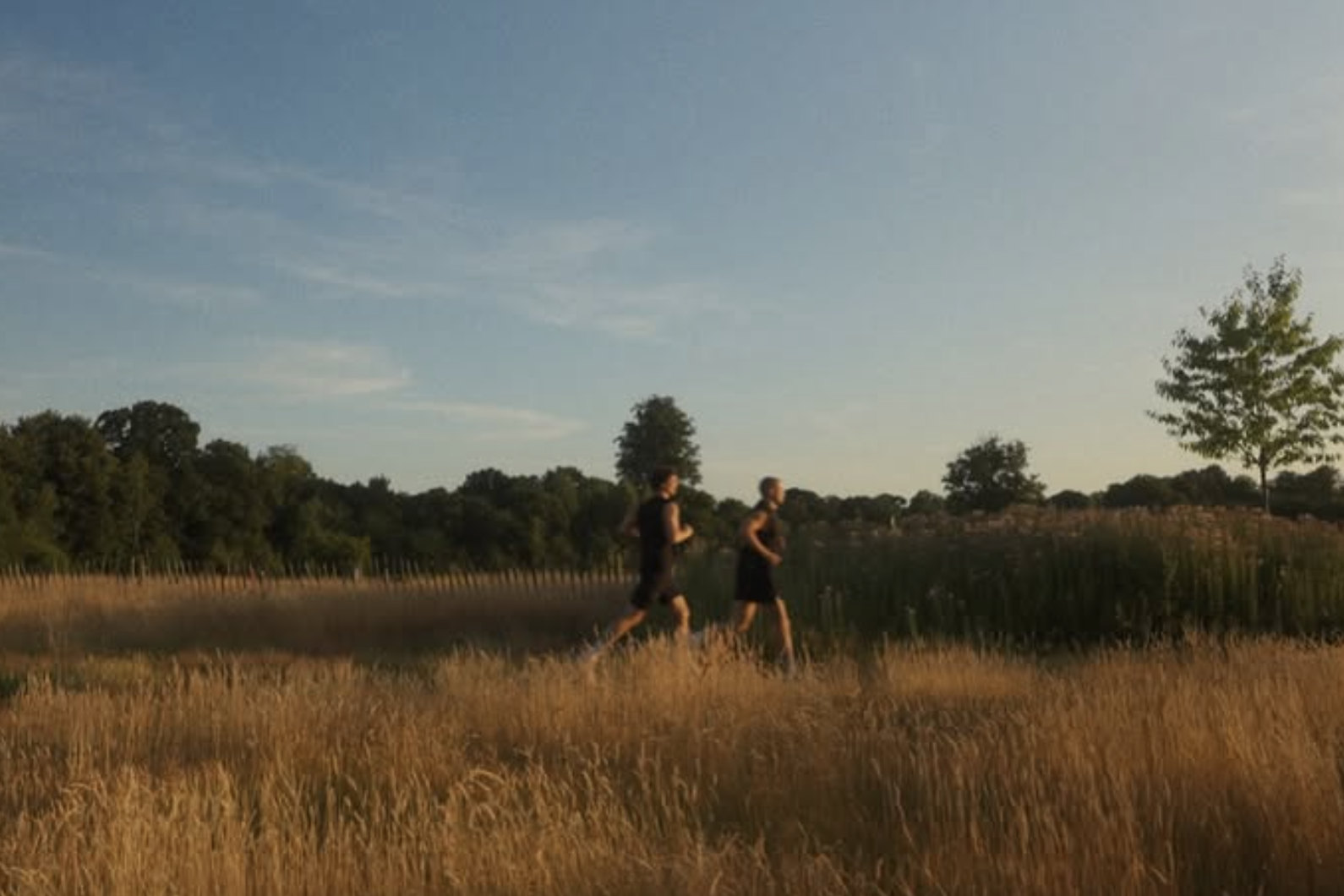
NORTH SEA ULTRA
2026 EDITION
07 AUGUST 2026
FROM ANIMO CINQUANTENAIRE, BRUSSELS TO RBSC Beach club, KNOKKE
Not to prove what's possible, But to find out what iS
THE ORIGIN
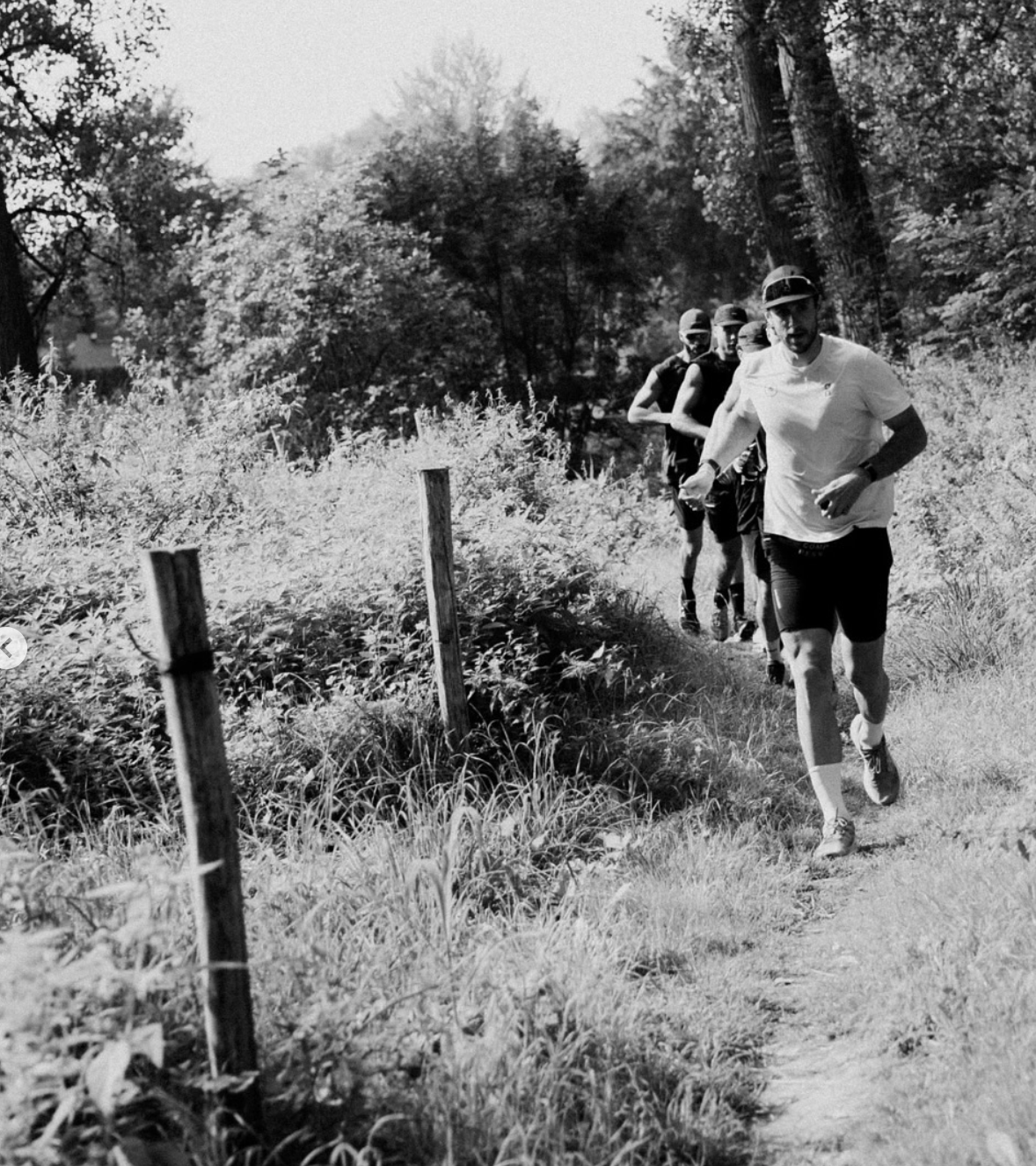
It was the summer of 2025. Four runners and a support crew. One simple idea: run from ANIMO CINquantenaire to the Belgian coast.
What started as a fun and slightly crazy idea as friends quickly became an opportunity to test our limits and discover how far we could go together.
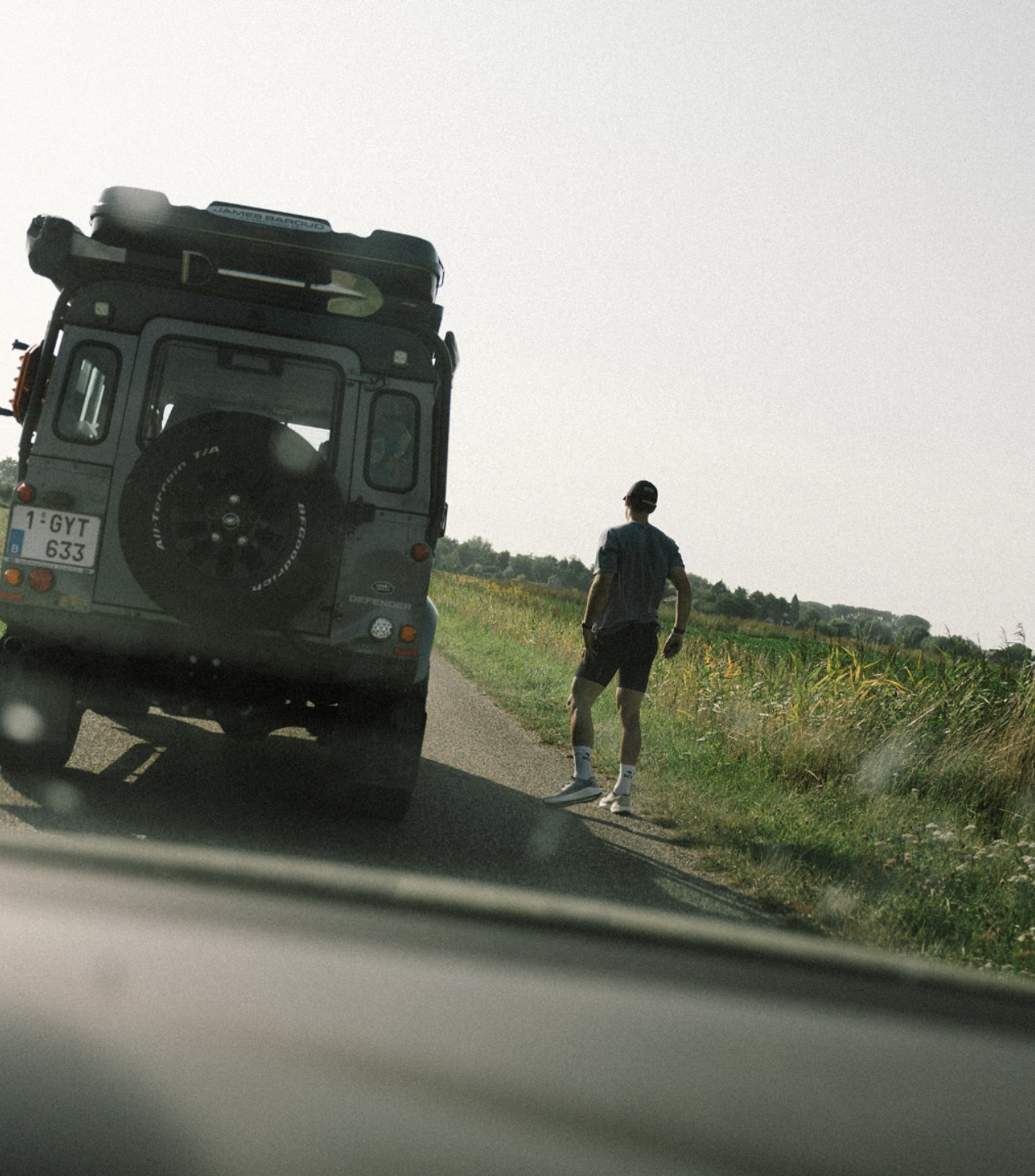
125 kilometres across Belgium, finishing with our feet in the sand. Every runner completed the full distance.Along the way, our support crew played an essential role, providing nutrition, hydration and logistics throughout the day. Their contribution made the experience possible and showed us the power of tackling a challenge as a team.
That first edition taught us something important: experiences like this deserve to be shared.
SO On August 7th, 2026, we're doing it again.Bigger. And this time, you can join in on the adventure.
One Destination
TWO Ways to Earn It
Take on the full 125 km solo, or gather a team of four and tackle the route relay-style, inspired by The Speed Project.
One route. 13 checkpoints. One destination: the North Sea.
SOLO RUNNER
1 RUNNER, 125 KM
€149
Complete the full 125 km solo
Early morning start (~4:00 AM)
One Dedicated support vehicle allowed
Access to all 13 official aid stations
Live GPS tracking throughout the event
Official NSU 2026 race kit
Finish celebration at RBSC Beach Club with a complimentary BBQ
mixed team
4 runners
€500
Relay format with exchanges every ~10 km
teams composition:
4 women or 4 men or 2 woman + 2 men
Runner changes at official checkpoints only
Early morning start (~6:00 AM)
One support vehicle permitted (no drafting)
Live GPS tracking
Official NSU 2026 race kit
Finish celebration at RBSC Beach Club with a complimentary BBQ
Indicative pricing, Limited to 15 solo runners and 18 teams in total across all categories.
125KM, From the heart of Brussels to the shores of the North Sea
THE route
A route that cuts through the Flemish polders, the medieval streets of Ghent and the quiet forests of East Flanders before reaching the dunes and sand of Knokke-Heist.
Built for those willing to discover what lies beyond comfort.
secure your spot before it’s too late
First come, first served.
Complete the registration form and receive your confirmation and payment instructions by email within 48 hours.
Your place is officially secured once payment has been received.
Frequently Asked Questions
-
The North Sea Ultra is open to experienced runners looking for a unique endurance challenge. Solo participants should be comfortable with ultra-distance efforts, while team formats allow runners of varying experience levels to take part.
-
Teams consist of four runners. Only one runner is on the course at a time, with exchanges taking place exclusively at official checkpoints approximately every 10 kilometres. Teams are free to decide their own relay strategy throughout the day.
-
The course features 13 official checkpoints offering hydration, nutrition and basic medical assistance. Selected checkpoints also include physiotherapy and recovery services. Live GPS tracking is provided for all participants.
-
Yes. One support vehicle is permitted per participant or team and may be used to transport runners, equipment, nutrition and supplies between checkpoints. Drafting is strictly prohibited.
-
Registration includes access to the event, all aid stations, live GPS tracking, an official NSU 2026 race kit, and the finish celebration at RBSC Beach Club.
-
The event starts at Cinquantenaire Park in Brussels at approximately 4:00 AM and finishes at RBSC Beach Club in Knokke-Heist on the shores of the North Sea.
-
Yes and no. The North Sea Ultra is first and foremost a personal challenge. The objective isn't only to reach the sea faster than others—it's to discover what you're capable of along the way.